


How to Use a Recovery Strap Safely
How to use a recovery strap safely: tow strap vs recovery strap, rated recovery points, shackles, slack, signals and who stands where when you pull.
Off road recovery gear only helps if it matches your vehicle, terrain, and training. This hub covers recovery kits, traction aids, recovery points, winch accessories, and how to think through a recovery plan before you need one.

As an Amazon Associate, Off Road Freedom earns from qualifying purchases. See our affiliate disclosure.
$109.99$80.29
View on Amazon (HOKINETY Kinetic Recovery Tow Rope: 1.26" x 30ft Snatch Strap with Soft Shackles Heavy Duty Offroad Towing Straps Kit for Trucks SUV UTV ATV Tractor Car Jeep - Black)$15.98
View on Amazon (TGL Tree Saver Strap, Tow Strap Heavy Duty, Winch Strap, Recovery Strap | Tree saver strap, tree saver winch strap, winch pull strap, heavy duty short tow strap, overlanding gear)$104.90$79.72
View on Amazon (Rhino USA Kinetic Recovery Rope, 7/8in x 20ft - Heavy Duty Snatch Strap | Shock-Absorbing Stretch for Smoother Pulls. Tow Rope/Snatch Strap for Truck, Jeep, UTV & ATV Off-Road Recovery. Green)$87.99$74.79
View on Amazon (BUNKER INDUST Off-road Traction Boards with Jack Base,Pair Recovery Track 4X4 Jeep Truck Emergency Tire Traction Mat with Bag -Sand, Mud, Snow Tracks Black Traction Pad (Gen 7th))$59.99$50.99
View on Amazon (OPENROAD Kinetic Recovery Tow Rope, 36000 Lbs (1in x 30ft Orange with Soft Shackle) Extreme Duty 35% Elasticity Energy Offroad Snatch Strap, Vehicle Recovery Kit for Jeep Car Truck ATV UTV SUV)$54.90$44.33
View on Amazon (VEVOR 10 TON Traction Boards with PP Material, Recovery Boards for Off-road Vehicles/Cars/Pickups/SUVs/RVs, Pair Tire Traction Mats on Snow, Sand, Mud and Loose Terrain, Storage Bag, Long, Red)$59.99$50.99
View on Amazon (POPBULL Kinetic Recovery Rope,(1in x 30ft Green) 48,500lbs Snatch Strap, Heavy Duty Stretch Nylon Towing Ropes with 2pcs Soft Shackles for Offroad Vehicle, Jeep, SUV, ATV, Tractor Elastic Ropes Kit)Prices and availability were accurate when retrieved from Amazon and may change. Retrieved Nov 28, 2026.
Recovery gear is a chain, and a chain is as strong as its weakest link. At one end is the vehicle's own recovery point, the place the maker designed to take a pull. At the other end is whatever is stuck or doing the pulling. In between sit connectors such as shackles, the line itself (a strap, a kinetic rope or a winch line), and protection such as a damper or a tree saver.
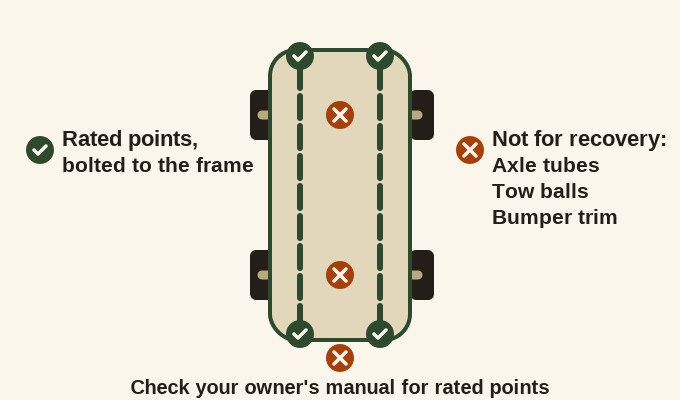
That is why a shopping list is the wrong place to begin. Start by finding the recovery points in your owner's manual, because every other choice depends on what those points are and how they are shaped. Our guide to recovery point basics shows where to look and what does not count, and the diagram below shows the common mistakes.
The table lists the main pieces, what each one is for, what rating to look for and the situations where it is the wrong tool. Ratings are never numbers we make up: where a figure appears on this site it comes from a named maker's page, and the table only says which rating to look for. Read the label on your own piece before you rely on it.
| Gear | What it is for | Rating to look for | When not to use it |
|---|---|---|---|
| Stretch strap or kinetic rope | Pulling a stuck vehicle with a second vehicle | Working load and breaking strength on the label; named as a recovery strap or kinetic rope | Towing a rolling vehicle; no second vehicle; any damaged strap |
| Tow strap | Towing a vehicle that can still roll | Rating on the label | Recovering a stuck vehicle: it does not stretch |
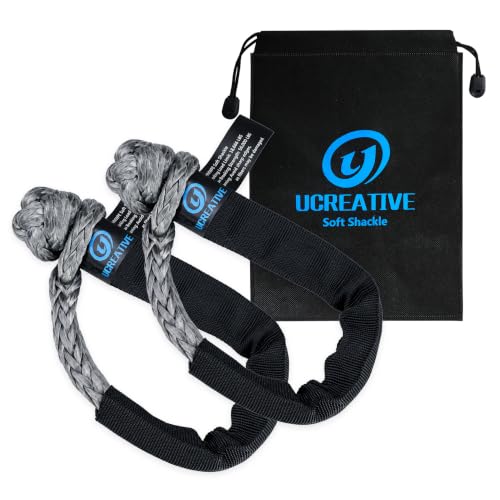
| Soft shackle | Joining a line to a recovery point | Working load limit and breaking strength from the maker | Chafed, cut or worn rope; sharp edges |
| D-ring (bow) shackle | Joining a line to a recovery point | Working load limit stamped on the body | Unrated or unmarked hardware; side-loading it |
| Tree saver strap | Wide anchor around a tree | Working load from the maker | A damaged tree or an unsound one |
| Snatch block | Doubling a winch line or changing its direction | Working load limit for the use, and the rope type it is made for | Rope the maker does not list; overhead lifting unless rated for it |
| Winch line damper | Helping control a line that lets go under load | The maker's instructions | Used as a replacement for keeping people clear |
| Traction boards | Giving a spinning tire something to grip | Size against your tire width | A vehicle resting on its frame: dig first |
| Jack | Lifting a wheel clear on firm ground | The maker's rated or tested capacity as stated | Working under a vehicle held only by a jack |
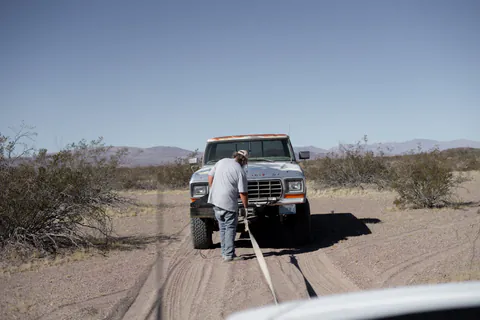
A recovery strap or kinetic rope is made to stretch and return to length, which is what makes a pull from a second vehicle gentler on both vehicles. A tow strap is low-stretch and is meant for towing a vehicle that can still roll. The two look alike and are not interchangeable, and the how-to on using a recovery strap safely walks through the connection, the slack and who stands where.
Whichever you carry, look for a stated working load and breaking strength on the label, intended use written on the product, and ends that suit shackles. A strap that has been cut, frayed, glazed or sat in the sun for years goes in the bin. If you travel alone, a strap is the wrong first purchase, because it needs a second vehicle; our comparison of traction boards vs recovery straps explains the order to buy in.
A tree saver is a separate item: it protects the tree and gives a winch or strap a wide, soft anchor. See what a tree saver is for.
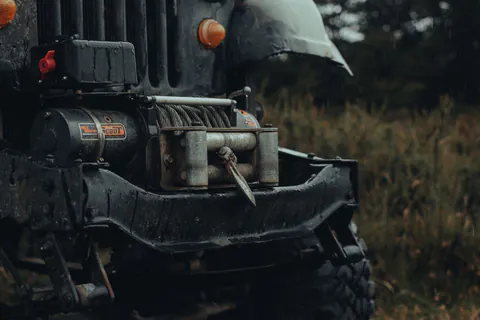
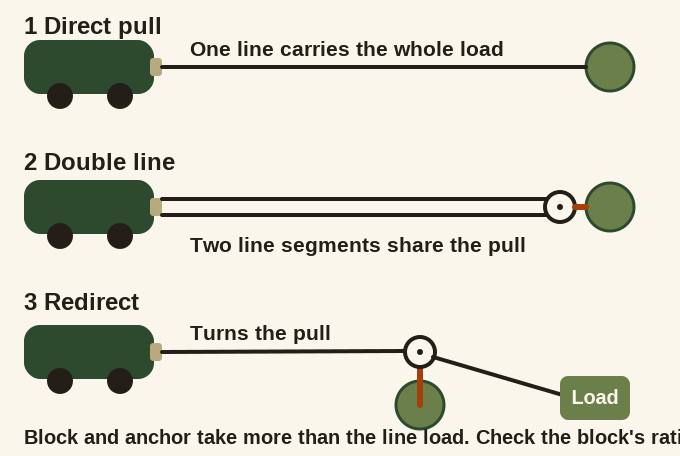
A winch gives you a controlled pull without a second vehicle, but it adds its own gear: a line, a hook or shackle, and often a snatch block. WARN says its snatch block can increase a winch's pulling ability by nearly 2x, and states two different working load limits for the same block, one for general rigging and lifting and a higher one for vehicle recovery and non-overhead pulling. That is the kind of detail to read on the maker's page before you buy. Our how-to on using a snatch block explains the double-line pull and why the block and its anchor then carry more than the line does.
Line choice matters too. Synthetic rope vs steel cable covers the trade-offs, and a winch line damper is the item most people forget: it is there to help control a line that lets go under load.
Most stuck vehicles are not stuck in the dramatic sense: a tire is spinning in soft ground, and a surface to grip is all it needs. Traction boards, a shovel and a way to air down tires cost less than most pulling gear and work alone. That is why they come first in our recovery gear list.
Digging is not glamorous, but a vehicle resting on its frame or axles needs the load taken off before any pull will help. A jack can help in the right hands and the wrong ones badly: follow the maker's instructions, use it on firm ground and never get under a vehicle held only by a jack.
Lowering tire pressure improves grip on soft ground and raises its own risks, so read how to air down safely and use the tire pressure calculator with your own placard value.
Buy for the trips you actually take. A kit built in three stages keeps cost down and keeps you from carrying gear you have never practised with.
The quick picks below are chosen for specific roles, and the maker's rating for each is printed next to it. Practise in a safe place with experienced people before you need the gear, and take a recovery course if you can.
Most recovery injuries trace back to a handful of avoidable habits, and none of them needs special gear to fix. The first is hooking to the wrong place. A tow ball, a bumper cover, an axle tube and a tie-down loop were not designed for a shock load, and a part that breaks under tension can become a projectile. Use the recovery points your owner's manual names, and if the manual names none, stop and find another way.
The second is starting the pull before everyone is ready. Agree who is in charge, what the stop signal is and where each person will stand, and check the plan out loud. The third is escalating: when a first pull fails, the temptation is a harder pull, a faster run-up or a heavier vehicle, and that is how gear fails. Stop, look at why the vehicle is stuck, and dig or add traction instead.
Recovery gear sits in a bag for months and then has to work on the worst day of the year, so a little care between trips pays back. After each use, rinse off sand and mud, because grit cuts fibres from the inside. Let everything dry fully before it goes back in the bag, because trapped moisture damages rope and rusts hardware. Store gear out of direct sun, away from oil and fuel, and where it will not be crushed or chafed by sharp edges.
Inspect before every trip, not just after a recovery. Look along the full length of a strap or rope for cuts, fraying, glazing, stiff or melted patches and damaged stitching. Check metal shackles for bent pins, cracks, worn threads and an unreadable rating stamp. A soft shackle with chafed fibres or an eye that is no longer round has done its job. Anything that fails the check is retired, not repaired.
Keep the maker's paperwork or a photo of the label with the gear, since the rating on the label is the only rating that counts. If a label has worn off and you cannot read it, treat the piece as unrated. Our post-trail inspection checklist is a convenient place to fold this into your routine.
The best time to learn a recovery is when nothing depends on it. Practise in a safe, open place with a vehicle that is not really stuck, so that the first time you rig a snatch block or lay out a strap is not on a slope with the light fading. Walk through the steps with a friend, agree on signals, and talk through what you would do if something went wrong. Rehearsing the conversation is as valuable as rehearsing the pull.
Formal training is worth the cost. Instructors have seen failures that you have not, and a course teaches judgment that a list cannot. If a course is out of reach, go out with experienced people and watch how they decide, because deciding not to pull is as important a skill as pulling.
Know your limit. If the vehicle is on its side, in water, on a steep slope or against a drop, if anyone is hurt, or if the plan needs gear you do not have, it is time to call for help rather than improvise. Carry a way to call: a charged phone with an offline map, a radio, and for remote travel a satellite messenger, used the way its maker describes. See our communication options guide for the choices.
For the wider skills picture, the trail skills hub covers route choice, spotting and group travel, all of which reduce the number of recoveries you will need to do.
Five pieces chosen for roles that do not overlap, each with the maker's own rating or capacity printed beside it. We chose them from maker pages, not from testing.
Rated connection
A rated connection with the ratings printed on the maker's page.
Factor 55 product page, checked 2026-11-12
Two-point kinetic pull
Spreads a kinetic pull over two rated points.
Factor 55 product page, checked 2026-11-12
Winch force multiplier
The maker's own page states the 'nearly 2x' pulling effect and two separate load ratings.
WARN product page, checked 2026-11-12
Lift a wheel clear
A tall jack for lifting a wheel clear on the trail.
Hi-Lift product page, checked 2026-11-12
Stretch strap
A stretch strap in the maker's lightest weight class.
ARB product page, checked 2026-11-12
Amazon buttons are affiliate links: we may earn from qualifying purchases. We chose these from maker pages; we have not tested them. See how we choose.
Use these with your own vehicle and tire details.
Every guide in this category, from checklists to how-tos and picks pages.
How to use a recovery strap safely: tow strap vs recovery strap, rated recovery points, shackles, slack, signals and who stands where when you pull.
How to use a snatch block: rig a double-line pull or a redirect, anchor it with a tree saver and keep every part of the rigging within its rating.
Best kinetic recovery rope picks: four ropes by role, with the breaking strength and working load limit each maker states, and what a kinetic rope is for.
An off road recovery gear list built around your vehicle, terrain and training: straps, shackles, traction aids and what to check before relying on them.
Recovery points are the frame-mounted anchors made for pulling. See where to hook a strap, which spots are not rated, and what to check first.
Soft shackles vs D ring shackles: compare weight, strength, wear and where each fits in recovery, plus why to follow the maker's rating markings.
Synthetic winch rope vs steel cable: compare weight, safety when a line fails, abrasion, heat, care and cost to choose the right winch line.
Traction boards vs recovery straps: which to buy first, what each does when you are stuck in sand, mud or snow, and how they work together.
A tree saver strap protects trees and gives a wide anchor for winching. Learn what it is for, how to rig it, and what to check before each use.
A winch damper is a weighted blanket laid over a line. Learn what a winch damper does, why recovery users add one, and how it should be placed.


Current Amazon results
Read what is included and check each item's stated rating.
See options on Amazon


Current Amazon results
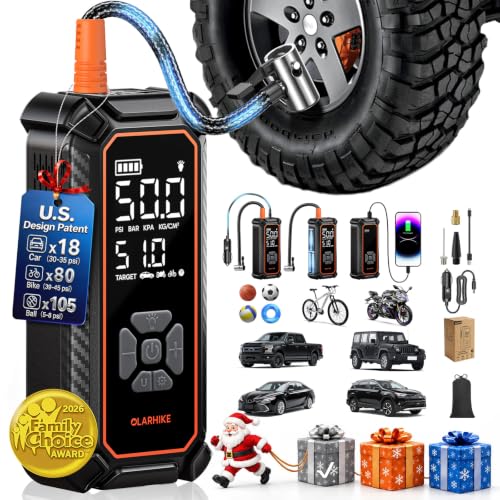
Match the connector and flow to your tires; check the duty cycle before you rely on it.
See options on Amazon


Current Amazon results
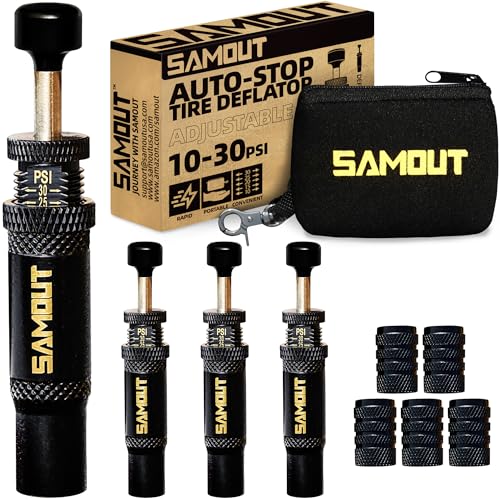
Match the connector and flow to your tires; check the duty cycle before you rely on it.
See options on Amazon


Current Amazon results
Check voltage, wiring needs and local rules on aux lighting before you buy.
See options on AmazonStart with a way to get traction and dig: boards, a shovel, a tire gauge and a way to air back up. Then add a stretch strap or kinetic rope with rated shackles and rated recovery points. Winching comes last, with a damper and training.
Your owner's manual shows them. A tow ball, an axle tube, a bumper cover or a tie-down loop is not a recovery point. If the manual does not call it a recovery point, do not pull from it.
Neither is better in every case. Soft shackles are light and kind to bodywork; metal shackles are hard and can handle sharp contact points. What matters is a stated rating that fits your line and a clean, undamaged piece.
WARN says its snatch block can increase a winch's pulling ability by nearly 2x, and the double-line setup is how that works. The block and its anchor then take more than the line load, so check the block's rating for the use.
Some pieces work alone, such as boards, a shovel and a winch with the right rigging. A strap or kinetic rope pull needs a second vehicle. If you cannot get out safely, stop and call for help rather than improvise.
Retire it. Cuts, fraying, melted or stiff fibres, bent hardware and anything you cannot trust belong in the bin. Replacing a strap costs far less than a failed one.
Last checked 2026-11-12. Each link was opened and read on that date.
This guide reflects independent editorial research, not first-hand product testing, professional mechanical training, or rescue certification. Some links on this page are Amazon Associates affiliate links; see our affiliate disclosure.