

12V Fridge vs Cooler for Car Camping
12V fridge vs cooler for car camping: compare power draw, ice needs, capacity, cost and trip length to see which keeps food cold best for you.
Off road camping gear works best as an organized, minimal setup for vehicle-based trips. This hub covers shelter, cooking, water, power, storage, and how to keep a campsite organized and low-impact.

As an Amazon Associate, Off Road Freedom earns from qualifying purchases. See our affiliate disclosure.
$1,299.00
View on Amazon (Rooftop Tent Hard Shell with Winter Insulation for 4-Season Camping | Aluminum hardshell,2-layer mat,LED light strip,2 Person Car Roof top tent,Suitable for Jeep Truck SUV Trailer)$74.99
View on Amazon (Collapsible Camp Kitchen Box with Tabletop, 64 Qt Chuck Box Camping Storage | Lift-up table top, side baskets and front door access; folds flat for overlanding, RV trips, tailgating and outdoor cooking)$1,089.00
View on Amazon (WildFinder Rooftop Tent, Hard Shell Roof Top Tent for Jeep SUV Truck Van | Aluminum Pop Up Roof Tent with LED Light Strip, Camping Car Roof Tent for 2-3 Person, Hardshell Rooftop Tent)$124.90$106.16
View on Amazon (VEVOR 12V Car Refrigerator 10 QT Portable Car Fridge Electric Freezer | for Travel, Outdoor Camping, Home, and Road Trip, with APP Control, -4℉ to 68℉, 12/24V DC & 110-220V AC Compressor Cooler)$1,087.00
View on Amazon (Adventurer Pro Rooftop Tent Hard Shell, 2-3 Person Aluminum Roof Top Tent | Detachable Side Awning&Built-in LED Light Strip, Compatible with Truck Jeep SUV Van&Trailer, Pop Up for 4-Season Camping)$151.99$144.39
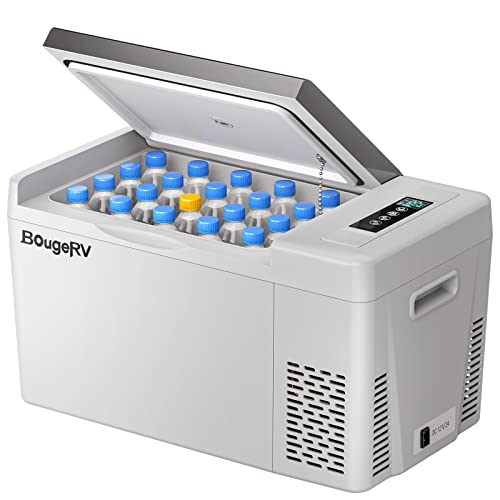
View on Amazon (BougeRV 12v refrigerator 23 Quart, -8℉~50℉ Portable Freezer for Car, Grey | No Ice Needed, Use as Fridge or Freezer, Fast 15-Min Cool to 32°F, 12/24V DC, 110V AC, Electric Cooler for Camping, Road Trip)$259.99$233.97
View on Amazon (EUHOMY 59QT 12 Volt Refrigerator, -4℉~68℉ Portable Fridge for Car | No Ice Needed, 12V&100-240V, Compressor Cooling, ECO/MAX Modes, 3-Level Battery Protection, Truck/Travel/Home Use,Low Noise)$259.99$239.99
View on Amazon (Feelfunn 12 Volt Refrigerator Car Fridge 61QT Dual Zone Electric Cooler | -4℉~68℉ Car Refrigerator 12V Cooler , 15-Min Fast Cooling, 12/24V DC 100-240V AC Portable Freezer for Travel Camping RV Home)Prices and availability were accurate when retrieved from Amazon and may change. Retrieved Nov 12, 2026.
Overland camping lists are easy to bloat. The sensible approach is to scale the setup to the trip: an overnight needs less than a week, and a week in the same place needs less than a week on the move. The gear that makes the biggest difference is rarely the most expensive. Shade, a comfortable bed and a kitchen where everything has a place do more for a trip than another gadget.
The table below sets out one way to scale a setup by trip length. Use it with our off-road camping gear checklist, which is printable and lists items by category, and with the beginner gear checklist for the non-camping basics.
Each row is a default. Move items between columns for cold weather, a larger group or a remote location. Nothing in the table is a rule, and no quantity is a recommendation: size water and power to the people and the trip, using official sources for water.
| Trip | Shelter and sleep | Kitchen | Cold storage | Power | Water |
|---|---|---|---|---|---|
| One night near the vehicle | Ground tent or car mattress | Stove and one pot | Cooler | Phone charger and a headlamp | What you drink plus a little extra |
| Weekend | Tent or rooftop tent, awning | Camp kitchen box | Cooler or fridge | Lights and charging from the vehicle or a station | Plan for cooking and washing |
| Week on the move | Fast setup shelter | Compact kitchen that packs flat | Compressor fridge | Second battery or a station, with a plan to recharge | Carry and treat water |
| Week at one site | Larger shelter, awning, ground mat | Fuller kitchen | Fridge or two coolers | A station and solar if the budget allows | Refill plan from a known source |
Where you sleep sets the style of the trip. A ground tent is flexible and cheap. A rooftop tent sets up fast and keeps you off wet ground, but it adds weight on the roof. A mattress in the back of an SUV needs no setup. Rooftop tent vs ground tent vs car mattress compares them, and vehicle awnings covers shade and rain cover.
If you are considering a rooftop tent, compare the weight of the tent and rack with the vehicle maker's dynamic roof load in the owner's manual. Dynamic load is what the roof carries while the vehicle is moving, and it is lower than the static load that applies when parked. We give no numbers of our own for any vehicle.
A camp kitchen works when it is organised before you leave: one box, one layout, one checklist. A camp kitchen that works shows how. Water is the heaviest item, and water storage for overlanding covers containers and carrying it; per-person amounts come from official sources such as Ready.gov or the CDC, not from us.
Cold storage is the biggest power decision. A cooler needs ice and no power; a compressor fridge needs power and holds temperature for days. 12V fridge vs cooler weighs the options. The Dometic CFX3 45 below is one example of a compressor fridge: the maker lists 46 L, 19.4 kg and 3-stage battery protection, and that weight matters in a small vehicle.
Power at camp comes from the vehicle, a second battery or a portable power station. The vehicle's starting battery should stay for starting, and a second battery, or a station that you can carry to the table, protects that. Dual battery setup explains the vehicle option, and how to size a power station explains the sizing.
Size by arithmetic. Add up the watts of each load, multiply by the hours you run it, and compare the total to the usable energy in your battery. Our power station shortlist compares four by capacity and output as the makers state them, with a worked runtime estimate that we label as an estimate.
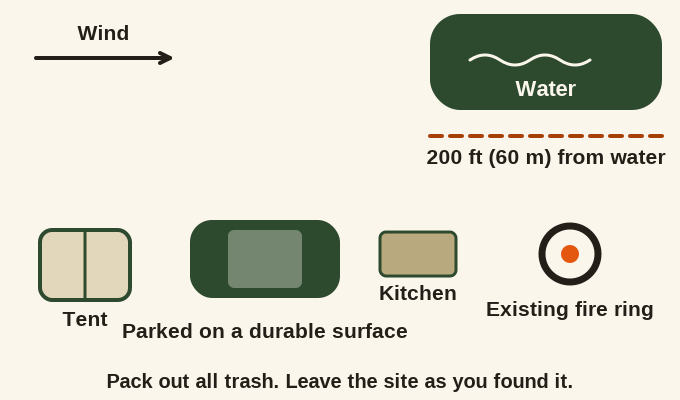
A good camp starts with the site. Choose durable ground, keep well away from water, use existing fire rings where fires are allowed, and check for restrictions before you go. The diagram shows a layout that keeps the kitchen, sleeping area and vehicle apart. Pack out all trash, and leave the site as you found it or better. Route and permit rules come from official land agencies such as BLM, the Forest Service and state OHV programs, and our trail etiquette guide links to the principles.
Bring a plan. Tell someone where you are going, bring a way to call for help, and carry a first-aid kit; trail first-aid kit says what to pack.
Sleep decides whether a trip is a success. A good night needs three things: insulation from the ground, protection from wind and rain, and enough warmth for the coldest hour. Ground insulation is the one people skip. A cold ground draws heat from a sleeper faster than cold air does, so a mat or mattress with real insulation matters as much as the sleeping bag. Check the maker's stated rating for each item and remember that ratings are the maker's, not a guarantee of comfort.
Shelter choice follows the weather. In wind, a low, stable shelter or a vehicle-based sleeping system helps. In rain, a rainfly and an awning give you dry space to cook and change. In heat, shade, airflow and a site under trees can make a difference. Check the forecast before you go and again at camp, and have a plan to move if conditions turn.
Our sleeping systems comparison weighs the options against the vehicle you drive.
Food and water shape the whole kit. A camp kitchen works when you plan meals in advance, pack by meal and keep a clear layout. Plan for how you will cook, wash up and dispose of waste, and carry the means to treat water if you will collect it. Per-person water amounts should come from official sources such as Ready.gov or the CDC, not from a rule of thumb, and you should carry more than you expect to use. Our water storage guide covers containers and weight.
Food also attracts wildlife. Store food and anything scented in a sealed container inside the vehicle where regulations allow, follow the land agency's rules for the area, and keep a clean camp. Pack out all trash, including food scraps, because wildlife that learn to expect food become a hazard to people and to themselves.
Fire rules differ by season and place. Check for restrictions before you go, use existing fire rings where fires are allowed, keep water nearby and make sure a fire is fully out before you leave or sleep. When in doubt, use a stove. Our camp kitchen guide shows a layout that keeps food, heat and trash apart.
Packing is part of camping. Load heavy items low and forward, keep camp gear you need first at the top, and secure everything that could move in a hard stop. A cargo area organised into bins by function, such as kitchen, sleep, recovery and tools, makes camp quick to set up and quick to pack, and keeps you from unpacking everything to find a headlamp. SUV cargo organization shows layouts that work.
Check the weight against the vehicle's payload, and check roof loads against the vehicle maker's dynamic figure. Water, fuel and a fridge are heavy, and they add up faster than gear does.
Leave the site as you found it or better. Camp on durable ground, stay well away from water, use an existing fire ring if fires are allowed, pack out all trash and take only photos. The Leave No Trace principles are the standard, and Tread Lightly! covers the motorised side. See our trail etiquette guide for the principles, and the off-road gear hub for the wider kit.
A fridge, two power stations and a handheld radio for talking between camps, each chosen for a role of its own. The figures are the ones the makers print.
Cold storage
A compressor fridge with a battery-protection system the maker describes.
Dometic product page, checked 2026-11-12
Most capacity
The most capacity of the three and many output ports.
BLUETTI product page, checked 2026-11-12
Highest output
The highest continuous output of the three, with a long cycle rating.
Anker SOLIX product page, checked 2026-11-12
Camp-to-camp talk
An entry-level handheld pair for walking the line or spotting.
Midland product page, checked 2026-11-12
Amazon buttons are affiliate links: we may earn from qualifying purchases. We chose these from maker pages; we have not tested them. See how we choose.
Use the tools to check tires and pressure before you load up.
Every guide in this category, from checklists to how-tos and picks pages.
12V fridge vs cooler for car camping: compare power draw, ice needs, capacity, cost and trip length to see which keeps food cold best for you.
A camp kitchen box keeps stove, cookware, food and cleanup gear in one place. See a simple layout, what to pack, and a checklist to copy.
An off road camping gear list covering shelter, sleep, kitchen, water, power, lighting, tools and safety items, organized so nothing is forgotten.
Best portable power station for camping: four stations by role, with the Wh capacity, output watts, ports and weight each maker states, plus a runtime formula.
Rooftop tent vs ground tent vs car mattress: compare setup time, comfort, weather protection, storage and vehicle load to pick a vehicle camping bed.
An SUV awning gives shade and rain cover at camp. Compare types, sizes and mounting options, and what to check before fitting one to your roof rack.


Current Amazon results
Read what is included and check each item's stated rating.
See options on Amazon


Current Amazon results
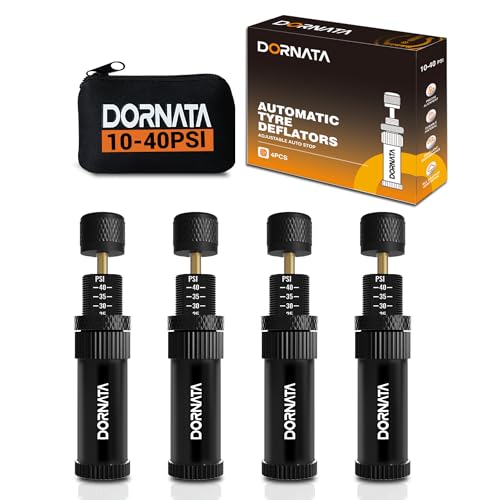
Match the connector and flow to your tires; check the duty cycle before you rely on it.
See options on Amazon


Current Amazon results
Match the connector and flow to your tires; check the duty cycle before you rely on it.
See options on Amazon

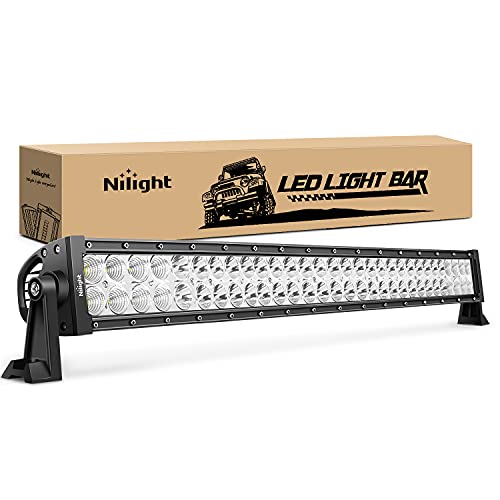
Current Amazon results
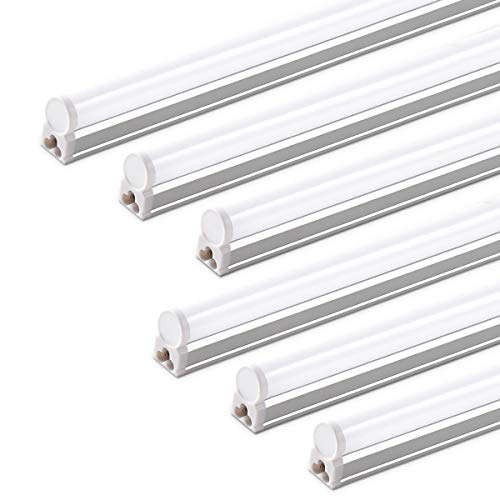
Check voltage, wiring needs and local rules on aux lighting before you buy.
See options on AmazonWhen you carry things you do not use, or the vehicle is over its payload. Weigh what you pack, compare it to the owner's manual, and drop items that stay in the bag on two trips running.
Not for a night or two. A good cooler works. A fridge makes sense for longer trips or hot weather, when ice is hard to find, and it needs a power plan.
Add up each load's watts times hours to get watt-hours, then compare with the station's usable capacity. Treat the result as an estimate and leave a margin for cold weather and losses.
Compare the weight of the tent and rack with the vehicle maker's dynamic roof load in the owner's manual. If the total is over, do not fit it.
Use official sources: BLM, the Forest Service's motor vehicle use maps and state OHV programs, plus Tread Lightly! guidance. Rules and permits vary by area, so confirm before you go.
Camp on durable ground, stay well away from water, use existing fire rings where fires are allowed, pack out everything and keep noise down.
Last checked 2026-11-12. Each link was opened and read on that date.
This guide reflects independent editorial research, not first-hand product testing, professional mechanical training, or rescue certification. Some links on this page are Amazon Associates affiliate links; see our affiliate disclosure.