Know the Rules Before You Wire Anything
Legal auxiliary lighting use starts with knowing that lighting rules vary by road type, state, and even local trail systems. A setup that looks reasonable on private land can be illegal on public roads if it adds glare, uses the wrong color, or activates at the wrong time. Before you buy or mount anything, check your vehicle code and any trail regulations that apply where you actually drive. That small step prevents wasted money and avoids changes you may have to undo later. It also helps you plan a system that fits the places you actually travel.
It also helps to think about how the lights will be used, not just what they can do. Driving lights, fog lights, rock lights, and light bars are not interchangeable in the eyes of the law. Many areas care about beam aim, switch behavior, and whether auxiliary lights can come on with high beams or only in off-road settings. A setup intended for forest roads may need different controls than one used for camp setup or slow technical terrain. If you build around the use case first, the rest of the setup becomes easier to keep compliant.
Some rules are easy to overlook because they are not about brightness alone. Local codes may address color, mounting height, number of lamps, and whether lights can flash or strobe on public roads. Trail systems may add their own restrictions, especially where shared use includes hikers, cyclists, or livestock. Reading both the general vehicle rules and the area-specific rules gives you a more complete picture. That context matters more than any product label or marketing language.
Choose Lights for Purpose, Not Show
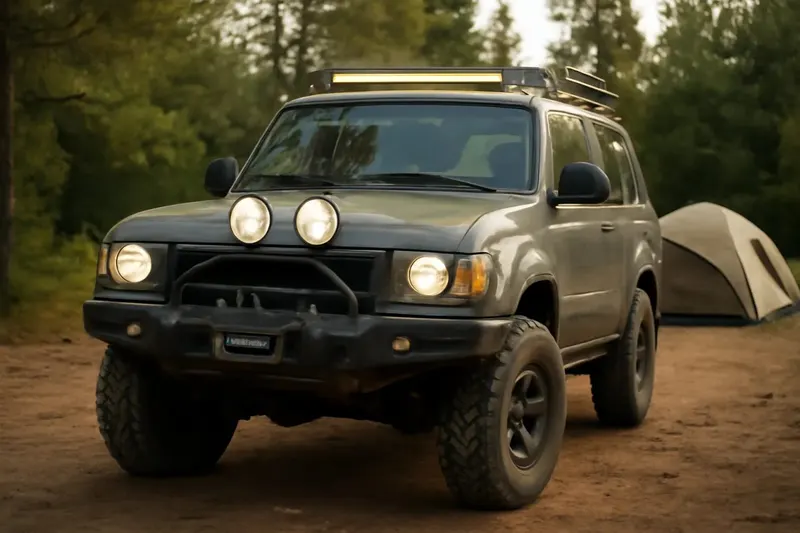
Auxiliary lighting works best when each light has a job. Wide flood lights can help at low speed on dark trails, while a focused beam may be more useful for longer sightlines on open dirt roads. Rock lights, ditch lights, and rear-facing work lights can each serve a distinct purpose if they are aimed correctly and used only where allowed. The goal is better visibility, not turning the vehicle into a rolling beacon. When a light does not support a real task, it usually adds clutter instead of value.
When comparing options, look for beam pattern, color output, and mounting flexibility before focusing on appearance. Brightness alone does not tell you whether a light is appropriate for road use, since excessive glare can reduce visibility for everyone around you. A calmer, well-aimed setup usually performs better in real conditions than an overly aggressive one. For legal auxiliary lighting use, restraint often matters more than raw output. That is especially true when you drive with mixed pavement and trail access in the same trip.
It can help to separate “scene lighting” from “driving lighting.” Scene lighting helps you work around the vehicle, load gear, or navigate camp after dark, while driving lighting should support seeing down the road without blinding others. Keeping those roles distinct makes it easier to choose switches, lenses, and mounting points that match the intended use. It also reduces the temptation to leave everything on just because it is installed. A thoughtful mix of light types is usually safer and easier to live with than one oversized fixture doing too much.
Mount and Aim with Road Safety in Mind
Mounting position affects both safety and compliance. Lights placed too high, too low, or at odd angles can create glare or fail to illuminate the area you actually need to see. Try to keep wiring secure, hardware tight, and lenses clear of obstructions so the lights perform as intended without distracting other drivers. A clean installation also makes it easier to inspect and adjust later. It is worth checking that the mount stays stable after rough terrain or repeated washboard roads.
Aiming matters just as much as location. Even a legal light can become a problem if it points into oncoming traffic, reflects off the hood, or washes out signs and trail markers. Test the setup in a safe, closed area before depending on it at night. If a light seems too bright for road use, lowering the aim or changing how it is switched may be the responsible fix. Small adjustments can make a large difference in both visibility and courtesy.
It is also smart to think about what the driver actually sees from the seat. Some mounts look good from the outside but throw light onto the hood, mirrors, or windshield, which can create fatigue on longer drives. A practical installation should improve the scene ahead without making the cab harsher or busier than necessary. When you are fine-tuning the aim, check it from normal driving height rather than only from the front of the vehicle. That perspective is often the best clue to whether the setup is usable in real conditions.
Browse our recommended gear
Our featured picks refresh periodically. While we update them, our editorial guides can help you find the right gear for your rig.
See our guidesWire, Switch, and Label for Control
Good wiring supports legal use because it gives the driver clear control over when lights are active. Separate switches, relays, and indicator lights can help prevent accidental activation of lights that should stay off on public roads. If a setup is hard to understand in the cab, it is more likely to be used in the wrong mode at the wrong time. Simple control is usually safer than a crowded switch panel with unclear labels. Clear circuit paths also make troubleshooting easier when something stops working.
Labeling is a small detail that pays off quickly. Marking switches for road, trail, rear work, or auxiliary use helps keep you from confusing similar circuits during a night drive. It also makes it easier for another driver to operate the vehicle responsibly if needed. For legal auxiliary lighting use, the best wiring plan is one that supports discipline and quick recall under pressure. That includes knowing which lights should never come on with a particular mode or key position.
Fusing and relay placement deserve attention as well, because a tidy system is easier to maintain and less likely to invite shortcuts later. Route wires away from heat, sharp edges, and moving parts, and leave enough slack for suspension travel or hood movement. Weather-resistant connectors can help, but they still need to be installed cleanly and inspected periodically. The point is not to build the most complex electrical system possible. It is to build one that is understandable, durable, and easy to use correctly every time.
Respect Other Drivers and Trail Users
Responsible lighting is partly about courtesy. Bright auxiliary lights can impair the vision of oncoming drivers, cyclists, hikers, and other trail users long before they improve your own visibility. Use them only when necessary, dim them or switch them off when traffic appears, and remember that reflective surfaces can extend glare farther than expected. A polite lighting habit is also a practical safety habit. It keeps everyone calmer and helps your own visibility remain useful instead of contested.
Trail settings add another layer of judgment. In group travel, rear-facing work lights or camp lights should be aimed so they help the task without flooding every nearby vehicle or campsite. On shared routes, the right choice is often to use just enough light to see the line, the obstacles, and the people around you. That approach keeps the experience calmer and reduces the chance of complaints or restrictions. It also helps preserve the low-impact character many trail systems try to maintain.
Courtesy matters when parking too. If you are unloading gear, setting up camp, or checking a recovery plan, avoid pointing bright lights across a campsite or down a shared road. A brief burst of light may be enough for the task without leaving others exposed to glare. Thinking about where the beam falls is a simple habit that supports both safety and good trail etiquette. Responsible use is not about being timid; it is about using light only where it helps.
Inspect, Maintain, and Adapt
Auxiliary lighting needs regular checks to stay legal and useful. Vibration can loosen brackets, water intrusion can affect switches, and dirty lenses can change beam shape in ways that were not present on day one. A quick inspection before a night run helps catch problems early, especially after washboard roads or rough climbs. Maintenance is not just about reliability; it is part of keeping the setup compliant. A light that has shifted, failed, or become obstructed may no longer match the way it was meant to be used.
It is also smart to revisit your setup when your driving changes. A vehicle that mostly sees forest roads may need a different lighting strategy than one used for short night commutes to and from trailheads. If local rules change, be ready to adjust covers, switch logic, or mounting so the vehicle remains road-appropriate. The most responsible systems are the ones that can adapt without turning into a project every time the rules or terrain shift. Flexibility matters because a good lighting plan should support more than one kind of trip.
Regular review also helps you notice bad habits before they become routine. If a light is always being left on, or if a switch is easy to hit by accident, that is a sign the layout needs improvement. Small changes in labeling, switch placement, or beam coverage can make the whole system more dependable. Treat the setup as part of vehicle preparation, not a one-time install. That mindset keeps legal auxiliary lighting use practical over the long term.