Rated Shackles vs Soft Shackles: The Big Picture
When shoppers compare rated shackles vs soft shackles, the first thing to understand is that both are recovery connection points, but they do not behave the same way. A rated shackle is usually a metal bow or D-style link with a threaded pin, while a soft shackle is a load-bearing loop made from synthetic rope. Each can be appropriate for trail use when matched to the right recovery setup and used within its working limits. The best choice depends on how you drive, how you recover, and how much care you want to give to storage and inspection.
For many off-road owners, the decision is less about which is universally better and more about which fits the way the vehicle is prepared. Metal shackles bring a familiar feel and a very rigid connection point, which some drivers prefer for consistency. Soft shackles are lighter and easier to pack, and they remove some hard-metal contact from the recovery system. Either way, the accessory should be treated as part of a complete setup, not as a stand-alone solution.
The real comparison starts with the recovery environment. Mud, sand, snow, and rocky trails all place different demands on gear, and the anchor points on the vehicle matter just as much as the connector itself. A proper rated shackle point, bumper tab, or recovery hook is essential before any pull begins. If the rest of the system is weak, neither style of shackle can make it safe or effective.
It also helps to think in terms of handling, storage, and wear. Metal shackles tolerate abrasion well but can rattle, corrode, or add weight to the kit. Soft shackles are compact and quiet, but they need a cleaner, more careful routine because synthetic fibers can be damaged by sharp edges, heat, and dirt. For trail-ready owners, the smartest answer is often choosing the one that matches the vehicle, the terrain, and the level of maintenance you are willing to perform.
How Rated Shackles Work in Recovery
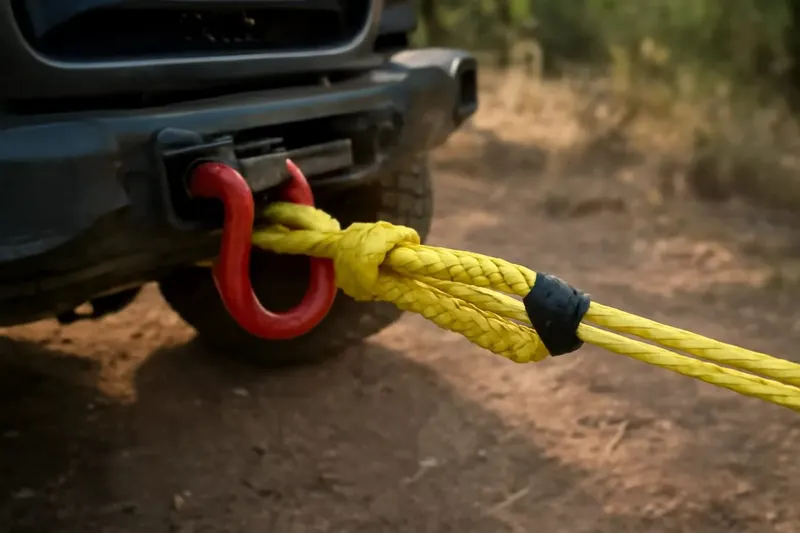
Rated shackles are the traditional choice for connecting straps, bridles, and other recovery hardware to a vehicle recovery point. The shackle body is typically steel, and the threaded pin secures the connection once tightened properly. Because the part is rigid, it helps maintain a consistent attachment shape and can be easy to inspect visually before and after use. That predictability is one reason many off-road kits still include them.
In practice, a rated shackle is valued for its durability and straightforward handling. It is less sensitive to minor abrasion than rope-based gear, and it does not depend on fiber condition in the same way a soft shackle does. The tradeoff is weight and the possibility of metal-to-metal contact, which can matter when trail surfaces are uneven and recovery points are crowded. If the hardware is left exposed, it can also pick up rust or seize over time.
For everyday trail prep, the most important detail is using a shackle only where a rated recovery point exists. Not every bumper opening or tie-down loop is intended for towing or recovery loads, and guessing can be dangerous. The shackle itself should be sized for the system, and the pin should be fully seated without over-tightening to the point that later removal becomes difficult. Good habits here matter more than brand familiarity.
Another advantage of metal shackles is that they can be simple to deploy in gloves, cold weather, or dirty conditions. They are easy to see against mud and dust, which can help during pre-trip checks and post-recovery cleanup. Even so, they should still be examined for bent pins, damaged threads, or obvious deformation before the next outing. A rated shackle is a practical tool, but only if it stays in serviceable condition.
How Soft Shackles Work on the Trail
Soft shackles use high-strength synthetic rope to create a lightweight connection between a recovery strap and a rated anchor point. They are usually closed by a knot-and-loop design that tightens under load, which helps keep the connection secure during controlled recovery. Because there is no rigid metal body, they are often easier to handle and store in a compact recovery kit. That convenience has made them popular with drivers who want less bulk and less noise from their gear.
The softer construction also changes how the shackle behaves during use. It can reduce hard-metal contact in the system, which may be helpful when trying to limit wear on certain recovery accessories. At the same time, the rope must be protected from abrasion, cuts, and contamination. Sharp recovery points, rough edges, and dirty surfaces can shorten the life of a soft shackle quickly if the user is careless.
Soft shackles are not interchangeable with every attachment point. They still require a smooth, properly rated recovery location, and they should never be looped through an unverified part of the vehicle. The rope should be checked for fraying, glazing, snagging, or distortion before each use, because damage can be easier to miss than with steel. A quick inspection is one of the simplest ways to avoid putting worn gear back into service.
For many buyers, the biggest attraction is how easy a soft shackle is to carry as a backup or primary connector. It packs into a small bag, adds little weight to the cargo area, and does not clink against other tools on rough roads. That convenience is real, but it comes with the responsibility to keep the shackle clean and away from abrasive storage. In other words, the gear is simple to use, but it is not maintenance-free.
Browse our recommended gear
Our featured picks refresh periodically. While we update them, our editorial guides can help you find the right gear for your rig.
See our guidesSafety and Compatibility Considerations
In the rated shackles vs soft shackles discussion, compatibility starts with the vehicle, not the accessory. A connector is only as useful as the recovery point it attaches to, and that point must be designed for load handling. If you are unsure whether a tow hook, bumper tab, or bracket is actually rated for recovery, it is better to verify before heading out. Assumptions are the fastest way to turn a simple pull into a hardware problem.
Both shackle types have their own safety checks, and those checks should be built into pre-trip prep. With metal shackles, look for bent hardware, damaged threads, or a pin that no longer closes cleanly. With soft shackles, inspect for cuts, melted spots, deep fuzzing, or contamination that may have worked into the fibers. If anything looks suspicious, set the item aside until it can be examined more carefully.
Another compatibility issue is the shape and surface of the attachment point. Soft shackles generally prefer smooth contact surfaces, while sharp corners and rough welds are harder on synthetic rope. Metal shackles are more tolerant of contact, but they can still be stressed by poor angles, side loading, or improper sizing. Recovery works best when the entire chain of equipment is designed to cooperate, not when one part is expected to cover for a weak setup.
Storage also affects safety in subtle ways. Metal shackles should be kept where they will not corrode or strike loose gear, while soft shackles should be kept clean, dry, and away from chemicals or hot surfaces. Many off-road owners store them in separate pouches so they stay easy to inspect and deploy. That small habit can make trail prep smoother and reduce the chance of grabbing the wrong item in a hurry.
Performance and Practical Differences
Performance in real-world recovery is not just about strength on paper. Rated shackles offer a rigid connection that can feel familiar when pairing with straps, snatch gear, or other common recovery tools. Soft shackles, by contrast, bring low weight and compact packing, which can be especially appealing in vehicles with limited storage space. The practical winner depends on what kind of loadout you build and how often you expect to use the item.
One noticeable difference is handling. Steel is easier to pick up when dirty, and its shape stays the same every time you use it. Synthetic rope is quieter and easier to tuck away, but it can be more sensitive to dirt, moisture, and abrasion if not cleaned and dried properly. For a weekend trail rig, that may be manageable; for a vehicle that sees frequent dirt and dust, it may demand a more deliberate maintenance routine.
There is also the question of speed in the field. A soft shackle can be faster to stow and lighter to move around, while a rated shackle may feel more straightforward when gloves, mud, or cold weather make fine handling difficult. Neither option should be chosen only for convenience, though. The better tool is the one that fits your recovery hardware, your storage discipline, and your willingness to inspect it every time.
For shoppers building a balanced kit, it is common to view these as complementary rather than exclusive. Some owners keep a few rated shackles with a soft shackle as a lighter alternative for specific uses. That approach can make sense if the rest of the recovery system supports it and the user knows when each connector is appropriate. A smart kit is less about collecting accessories and more about assembling dependable options.
Choosing the Right Option for Your Kit
If you are deciding between rated shackles vs soft shackles, start by looking at how your vehicle is equipped and how you plan to travel. If you want a rugged, familiar connector that handles rough storage well, a rated shackle may be the easier choice. If you value light weight, quiet storage, and a compact footprint, a soft shackle may fit better. The right answer is the one that supports your trail routine without creating new maintenance headaches.
It is also worth considering who will use the gear and how often. Drivers who are still learning recovery basics may appreciate the visual simplicity of a metal shackle and the ease of checking it for obvious wear. More experienced owners who already maintain their gear carefully may prefer the flexibility of a soft shackle in certain setups. In both cases, the confidence should come from preparation and inspection, not from assuming one style is automatically safer.
A sensible shopping plan is to build around the recovery points on the vehicle first, then choose connectors that suit them. That means checking the owner documentation, confirming what is actually rated, and making sure the rest of the recovery kit is equally well matched. A good shackle cannot compensate for an underspecified strap or a weak anchor point. The entire system has to work together.
For most off-road buyers, the best takeaway is balanced rather than absolutist. Rated shackles and soft shackles both have a place in a thoughtful recovery kit, but they solve slightly different problems. If you buy with the trail in mind, keep the gear clean, and stay within rated recovery points, either option can serve well. The goal is dependable readiness, not collecting tools that look useful but do not fit the way you drive.