Why the Pre-Trip Check Habit Matters
A strong pre-trip check habit is one of the simplest ways to avoid preventable problems before an off-road day starts. It is not about turning every departure into a full inspection or expecting a vehicle to be perfect. It is about catching small issues while they are still small: low tire pressure, a loose strap, a weak battery, a missing tool, or a fluid level that deserves attention.
That matters because readiness affects more than convenience. A repeatable check supports safer decisions, smoother travel, and fewer interruptions once you are away from pavement. It also makes packing more dependable. When your routine is consistent, you are less likely to forget essentials such as a tire repair kit, air source, gloves, map, flashlight, or water.
The real value of the pre-trip check habit is consistency. A checklist helps, but a habit works better because it becomes part of the normal flow before departure. The goal is not perfection. The goal is a simple system you can trust every time you head out, whether the run is short and familiar or longer and more variable.
Beginners benefit from making the process explicit, while experienced drivers often find that a set routine prevents complacency. Over time, the check stops feeling like a chore and becomes a quick reset before the drive begins.
Build a Routine You Can Repeat
The best pre-trip check habit is the one you will actually use. That usually means keeping it short, organized, and tied to a familiar sequence. Many drivers do best when they check the same categories in the same order every time: vehicle exterior, fluids and tires, gear, paperwork, and trip details.
One practical approach is to use two layers. The first is a quick walkaround that takes only a few minutes. The second is a more complete review when you have extra time before a longer outing. This keeps the habit flexible without losing reliability. A short check is better than skipping it because you are rushed.
It also helps to decide when the check happens. For many people, the most dependable moment is the evening before departure, followed by a brief final look before pulling out. That way you are not trying to remember everything while the engine is running and everyone is ready to go. A set time makes the process feel normal rather than optional.
Keep the checklist where you will actually see it. Some drivers prefer a phone note, while others like a paper list clipped to a gear bin or stored with the keys. The format matters less than the consistency. A clear routine reduces mental clutter and makes it easier to spot what has changed since the last trip.
Check the Vehicle Basics
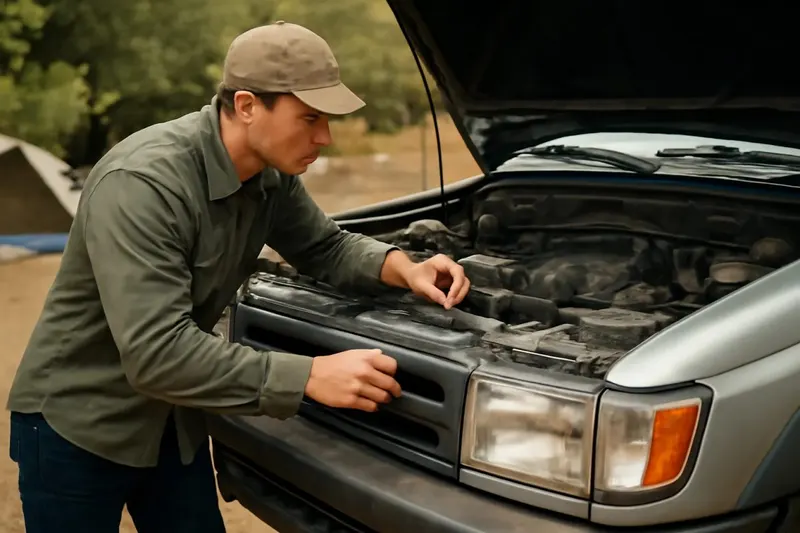
Your vehicle is the center of the pre-trip check habit, so start with the basics that affect safety, handling, and reliability. Walk around the vehicle and look for obvious issues such as fluid spots under the vehicle, damaged tires, loose mirrors, unsecured accessories, missing caps, or anything that looks out of place. A visual scan can reveal problems long before they become trail delays.
Next, check the tires. Confirm that they are inflated for the planned drive and inspect them for cuts, cracks, embedded debris, or uneven wear. If your off-road setup requires air adjustments for trail conditions, make sure you have the tools needed to return the tires to the correct pressure before heading home. Tire condition matters because traction, steering feel, and load support all depend on it.
Look at the battery and charging system basics too. If terminals are loose or corroded, that is worth noting before you leave. Make sure lights work, including brake lights and turn signals. If you drive after dark or expect weather changes, functional lighting becomes even more important. It is also wise to confirm that the fuel level matches the route you plan to take, with a margin for detours and slow trail travel.
Finally, check under the hood for the simple items that are easy to overlook: engine oil, coolant, brake fluid, and windshield washer fluid if applicable. You do not need a full shop inspection. The point is to catch low levels, obvious leaks, or anything that suggests the vehicle needs attention before a long day outside town.
Review Off-Road Gear and Recovery Essentials
Off-road gear should be checked with the same discipline as the vehicle itself. A lot of trail frustration comes from discovering that a useful item is missing, buried, damaged, or not where you thought it was. Build the habit of checking gear before every trip, not only when you remember to restock after using it.
Start with the items you rely on most often: a tire repair kit, air compressor or inflation tool, basic hand tools, a flashlight, gloves, and a jack or support equipment appropriate to your setup. If you carry recovery gear, inspect the condition of straps, shackles, traction aids, and storage bags or organizers. Look for fraying, cuts, bent hardware, or wet gear that needs to dry before storage.
Do not forget communication and navigation items. A charged phone is helpful, but off-road travel often benefits from backup maps, a paper route plan, or a dedicated navigation device. Check chargers, power banks, and cables while they are still at home. It is much easier to replace a dead cable in the garage than on a rocky trail with limited reception.
Organization is part of the habit too. If your gear lives in bins, drawers, or soft bags, make sure each item has a consistent place. That makes the check faster and reduces the chance of leaving something important behind. The better your storage system, the easier it becomes to spot what is missing at a glance.
Browse our recommended gear
Our featured picks refresh periodically. While we update them, our editorial guides can help you find the right gear for your rig.
See our guidesReview the Plan, Paperwork, and Conditions
A dependable pre-trip check habit includes more than hardware. Plans and documents matter because they shape how the trip unfolds if conditions change. Before you leave, confirm that your route, destination, and expected return time make sense for the day. If weather, daylight, or terrain could affect your plan, adjust early rather than improvising on the trail.
Make sure any required access information, permits, or travel details are ready if they apply to your outing. You do not need a complicated system, just a clear one. Keep route notes, emergency contacts, and vehicle information where they are easy to reach. If someone else needs to know where you are going, share the basics before departure.
Pack for the actual conditions, not the ideal ones. That may mean extra water, layered clothing, rain protection, sun protection, or snacks that hold up well during a long drive. If your trip includes passengers, check that everyone has what they need as well. The best planning is practical and calm: enough preparation to handle normal delays without overloading the vehicle.
It is also smart to confirm that your phone, camera, or other electronics are charged if you depend on them for navigation or documentation. A pre-trip check habit works best when it considers how the entire day will run, not only how the vehicle will perform.
Make the Habit Stick
Most people do not fail because the checklist is bad. They fail because the routine is too hard to remember or too long to finish when they are busy. To make the pre-trip check habit stick, keep it short enough to complete even on a busy day. A manageable routine is more likely to become automatic.
Link the check to something you already do. For example, review the vehicle and gear after loading but before the keys leave the counter, or after the trailer is hitched but before the group departs. Habit pairing works because the new behavior attaches to an existing one. The more often you repeat the sequence, the less effort it takes to start.
Another useful strategy is to keep a master checklist that you refine over time. If you notice repeated problems, add them to the list. If you keep checking the same item twice, reorganize the order. The check should evolve with your vehicle, gear, and type of travel. A good routine is not fixed forever; it is stable enough to trust and flexible enough to improve.
It can also help to involve anyone who regularly rides with you. Give each person a simple responsibility, such as confirming drinks, charging cables, or shared safety gear. That spreads the workload and makes the preparation feel like part of the trip rather than a solo chore. When everyone knows the system, the whole departure process becomes smoother.
Common Mistakes to Avoid
Even a useful pre-trip check habit can lose value if a few common mistakes creep in. One is relying on memory alone. Memory is useful, but it is easier to miss something when you are tired, excited, or distracted. A written or digital list prevents the routine from depending on perfect recollection.
Another mistake is checking too late. If you only look at the vehicle after everyone is ready to go, small problems become stressful interruptions. Start early enough that you can correct issues without rushing. A calm departure usually leads to a calmer drive.
People also tend to inspect the easy items and skip the less visible ones. It is simple to glance at the tires, but not always simple to verify whether recovery gear is complete or whether a charger actually works. Make the routine broad enough to include the items that matter most but are easiest to overlook.
Finally, avoid letting the checklist become so large that it feels unrealistic. A habit that is too complicated will eventually be abandoned. Keep the list focused on the things that affect vehicle readiness, gear readiness, and trip readiness. If a task rarely matters before a short outing, it may belong on a longer-trip checklist instead.
A Repeatable Check Before Every Run
Building a pre-trip check habit is less about making a perfect list and more about creating a dependable rhythm. The best routine is the one you can complete before almost every outing without stress. It helps you catch small issues, pack smarter, and leave with more confidence in the vehicle and gear you are bringing along.
If you want to keep it simple, think in four steps: inspect the vehicle, verify the gear, review the plan, and confirm the essentials are charged, packed, and easy to reach. That structure works for beginners and remains useful for experienced off-road drivers because it scales with the kind of trip you are taking.
The payoff is practical. You spend less time dealing with forgotten items and more time focusing on the drive itself. Over time, the habit becomes a normal part of preparation, like fastening a seat belt or checking the weather before leaving. That is what makes it effective: not complexity, but repeatability.
For off-road travel, readiness usually comes from the basics done well. A steady pre-trip check habit keeps those basics visible every time you head out.