Winch Line Concepts: The Basics
Winch line concepts start with one simple question: what does the line need to do when the vehicle is stuck? The answer shapes how you think about strength, weight, handling, and maintenance. Steel cable and synthetic rope both move a vehicle, but they behave differently in your hands and under load. For many off-road owners, the best choice depends less on a single spec and more on how the vehicle is used.
A winch line is not just a replacement part; it is part of the recovery system. The line must pull smoothly, store on the drum correctly, and stand up to trail dust, water, and repeated use. That means choosing a line is about more than tensile numbers on a label. It is also about how easy the line is to inspect, how forgiving it is to handle, and how it fits your routine when you are preparing the vehicle for the trail.
Steel cable has been the traditional option for a long time because it is familiar and tough in a straightforward way. Synthetic rope is newer to many casual users, but it has become a common upgrade because it is lighter and easier to handle. Neither option is automatically right for every owner. The better question is how each line matches the kind of terrain, weather, and maintenance habits that define your off-road use.
When people discuss winch line concepts, they often focus only on ultimate strength. That matters, but it is only one part of the picture. Abrasion resistance, bend behavior, UV exposure, and storage all influence how the line performs over time. A good choice should make recovery more manageable, not more complicated, especially when you are dealing with mud, snow, or a steep pull where clear handling matters.
Steel Cable: Strengths and Tradeoffs
Steel cable remains appealing because it feels direct and familiar. It resists heat well, handles abrasion in a predictable way, and is less likely to be bothered by long periods of sun exposure. If you value a line that can tolerate rough treatment and a lot of trail contact, steel still has a strong case. It is also easy to understand visually, since frayed strands are usually obvious during inspection.
That said, steel cable has real drawbacks that matter to everyday users. It is heavier on the front end of the vehicle, which can affect handling and makes spooling more tiring when the line is being managed by hand. It can kink if abused, and broken strands can create sharp edges that deserve caution. Those details matter during setup, storage, and cleanup after a recovery.
For some off-road owners, steel cable makes sense on rigs that see frequent abrasion, harsh edges, or long-term exposure to tough conditions. It is a practical choice when the winch is used in a way that may put more strain on the line than on the operator. The tradeoff is that the line generally asks for more attention to safety during handling, because a damaged cable can be unpleasant to inspect and less comfortable to work with.
Maintenance is fairly straightforward, but it cannot be ignored. Steel cable should be checked for broken wires, flattened sections, corrosion, and damage near the drum or hook end. Cleaning away grit and moisture helps preserve performance and reduces wear. A cable that is visually sound can still age unevenly, so routine inspection is part of responsible trail readiness.
Synthetic Rope: Strengths and Tradeoffs
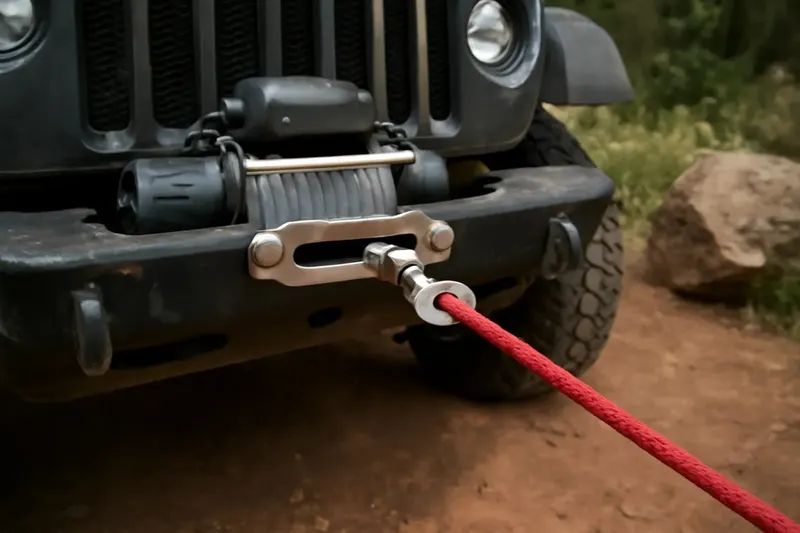
Synthetic rope has changed how many owners think about winch line concepts because it is easy to manage. It is much lighter than steel cable, which helps when spooling, carrying, and handling the line on the trail. That lower weight is especially noticeable during installation and routine use. Many people also appreciate that it feels more comfortable to handle during setup and recovery.
Another advantage is how synthetic rope behaves when it is inspected and stored correctly. Damage is often easier to notice in the form of fraying, fuzzing, or abrasion. The line is also less likely than steel to produce sharp wire splinters during ordinary handling. For users who want a friendlier experience around the winch drum, that can make a meaningful difference.
Still, synthetic rope has vulnerabilities that should be respected. It can be affected by UV exposure, dirt, and heat from the winch or nearby hardware. Sharp edges on a fairlead, bumper, or recovery point can shorten its service life if they are not addressed. It may also need more care after mud, sand, or water crossings, because contamination can work into the fibers and accelerate wear.
For many trail vehicles, synthetic rope is attractive because it balances strong performance with easier day-to-day handling. It can be a smart choice if the owner is willing to inspect it regularly and keep recovery points in good shape. That is the key theme with synthetic line: it often rewards good habits. When maintained properly, it offers a clean, practical winch experience for off-road use.
Browse our recommended gear
Our featured picks refresh periodically. While we update them, our editorial guides can help you find the right gear for your rig.
See our guidesSafety and Handling Differences
Safety is one of the clearest places where steel cable and synthetic rope differ. Steel is strong, but if it fails, the released energy and the hardware involved can be a concern. Synthetic rope is lighter and often considered friendlier to manage, though it still requires respect under load. In both cases, the operator should stay clear of the line path and use sensible recovery practices.
Handling also affects daily confidence. Steel cable can be stiff, wiry, and less pleasant to pull through gloves or guide back onto the drum. Synthetic rope is easier to coil, easier to reset, and usually less irritating to grip. Those differences matter when you are working in cold weather, wet conditions, or low light, because the line needs to be managed carefully without extra struggle.
Fairlead choice plays an important role here as well. Steel cable is typically paired with a roller fairlead, while synthetic rope usually works best with a smooth hawse-style fairlead. That pairing helps protect the line and supports cleaner movement. Using the wrong hardware can create unnecessary wear, reduce efficiency, and make recovery less predictable than it should be.
Good handling habits matter more than line material alone. Keep the line clean, avoid side-loading whenever possible, and inspect attachment points before each use. Do not treat the winch as a shortcut around caution. The safest setup is the one that is matched correctly, used patiently, and checked often enough that small problems do not become bigger ones on the trail.
Durability and Maintenance on the Trail
Durability is where real ownership habits separate from spec-sheet comparisons. Steel cable can be very durable if you keep an eye on corrosion, kinks, and broken strands. It does not mind heat as much as synthetic line, but it still needs cleaning and inspection after difficult recovery situations. A worn cable may remain functional for a while, yet it can become less pleasant and less safe to use over time.
Synthetic rope often demands more careful upkeep, but the work is not complicated. Rinsing out dirt, checking the first few wraps on the drum, and inspecting the line for abrasion are useful habits. Heat is a particular concern, so allowing the winch and line to cool when needed is smart. If the rope has been dragged through mud or sand, a closer look is worth the time before the next trail day.
Storage also influences service life. Keep the line neatly spooled, because uneven wraps can create wear points and make future pulls less efficient. Make sure the hook, thimble, or attachment hardware does not chafe against the line when the winch is stowed. Even a great line can age poorly if it is left dirty, twisted, or packed with grit after use. Care is part of the purchase, not an afterthought.
If you want a line that tolerates rougher handling with less sensitivity to contamination, steel cable may feel simpler. If you want easier handling and are willing to stay disciplined about inspection, synthetic rope can be very rewarding. Durability is not only about what the material can survive once; it is about how well it keeps performing across many seasons of mixed trail use.
Choosing the Right Line for Your Setup
The best winch line concepts are the ones that fit your vehicle, your terrain, and your maintenance style. If your rig often sees rough contact, harsh edges, or situations where the line may drag across abrasive surfaces, steel cable can still be a strong candidate. If you prefer easier handling, lower weight, and a cleaner user experience, synthetic rope may be the better match. Both can support trail readiness when paired with the right hardware and careful use.
Think through where the vehicle spends most of its time. Mud, snow, and wet conditions can make handling more difficult, which is where synthetic rope often feels convenient. Sun exposure, heat, and repeated rubbing against sharp surfaces can push some owners toward steel cable. Neither line is a universal winner. The right answer is the one that fits the way you actually travel, recover, and maintain the vehicle between trips.
It also helps to think about the rest of the winch system. Fairlead type, drum condition, mounting strength, and recovery accessories all influence how the line performs. A good line on a poorly prepared setup will not deliver the same confidence as a matched system that has been checked carefully. That is why preparation matters just as much as material choice when you are building a dependable recovery setup.
For most off-road owners, the decision comes down to balancing ruggedness with convenience. Steel cable leans toward durability and familiarity, while synthetic rope leans toward lighter handling and easier use. If you choose with your trail habits in mind, you are more likely to end up with a line that supports safe, practical recovery instead of creating extra work every time the winch is needed.