Why Convoy Etiquette Matters
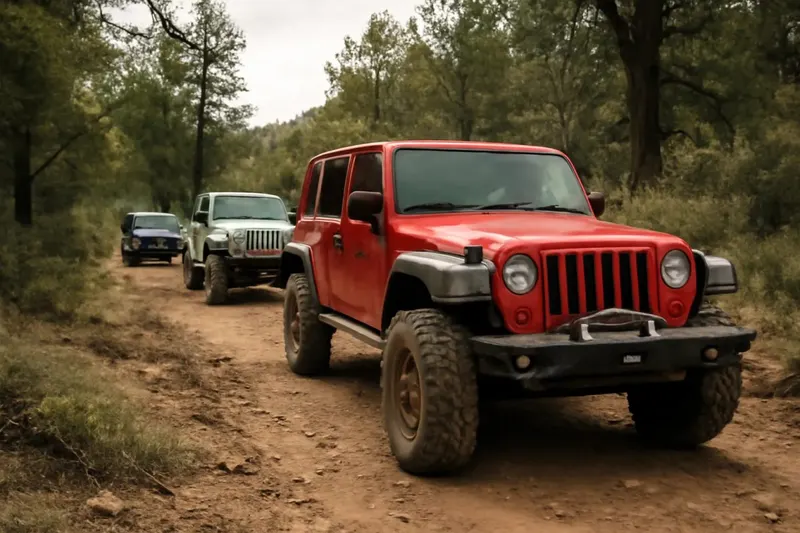
Good convoy etiquette off-roading keeps a group trail trip organized, predictable, and safer for everyone involved. On rough terrain, small mistakes can spread quickly when vehicles are close together, so clear habits matter more than speed. A convoy works best when each driver knows the plan, understands their role, and respects the space of the vehicle ahead. That reduces confusion at intersections, on climbs, and when dust or terrain limits visibility. It also makes the day feel less rushed and more manageable for newer drivers who are still learning trail rhythm.
Etiquette also protects the trail experience itself, which matters to beginners and experienced drivers alike. A convoy that bunches up, blocks pullouts, or rushes through narrow sections can frustrate other trail users and create avoidable strain within the group. Calm pacing helps drivers focus on line choice, communication, and vehicle awareness instead of reacting to pressure from behind. It also gives the lead driver room to set a safe tempo and allows the sweep driver to keep track of the rear without forcing anyone to drive beyond the day’s conditions.
Set the Plan Before Moving
Before the first vehicle rolls, the group should agree on a simple route plan and a few basic rules. Identify the lead and sweep vehicles, decide where the group will stop if it needs to regroup, and make sure everyone understands the day’s limits. This is also the time to share expected trail difficulty, fuel range, and any turnoffs that could split the convoy. A quick pre-run briefing saves time later and prevents avoidable guesswork once dust and terrain start changing conditions. It also gives new drivers a chance to ask basic questions before they are trying to keep up on the move.
Communication should include the basics: radio channel, hand signals, and what to do if someone falls behind. Drivers should know whether the convoy will pull over at every stop sign or only at predetermined points, and whether passing within the group is allowed at all. It helps to confirm that each vehicle has the gear it needs, from tire tools to tie-downs for loose items inside the cabin. Keeping the setup simple makes the trip easier to manage and keeps convoy etiquette off-roading consistent for everyone. When expectations are shared early, the group spends less time correcting misunderstandings and more time staying focused on the trail.
Spacing, Speed, and Visibility
Spacing is one of the most important habits in a convoy because it gives each driver room to react. On dirt, sand, or rock, the right following distance depends on terrain, dust, and trail width, not just the size of the group. If visibility drops, the convoy should naturally stretch rather than compressing into a tighter line. That extra room helps reduce abrupt braking and makes it easier to spot obstacles, washouts, or a sudden stop ahead. It also makes dust clouds less stressful, since drivers are not trying to read the trail through the bumper of the vehicle in front.
Speed should follow the pace of the most cautious safe line, not the impatience of the quickest driver. A convoy that moves steadily is easier to keep together than one that repeatedly accelerates and brakes. Drivers should avoid spraying dust, tailgating, or making sudden changes that force others to overcorrect. When the trail opens up, the group can relax a little, but the goal is still control and predictability rather than trying to keep a tight formation at all times. A smooth pace also helps the convoy preserve momentum on uneven climbs without turning every section into a stop-and-go traffic jam.
Browse our recommended gear
Our featured picks refresh periodically. While we update them, our editorial guides can help you find the right gear for your rig.
See our guidesSignals and Radio Discipline
Clear signals make trail communication much easier, especially when engines, wind, and terrain noise drown out conversation. Hand signals, turn indicators, and radio calls should be simple, consistent, and understood before the convoy leaves camp or pavement. If a driver points out an obstacle, slowdown, or stop, the message should travel back through the group without extra chatter. Keeping communication short and direct prevents confusion and allows the lead to focus on trail conditions. It also helps each driver trust that a clear signal means something specific, not just another comment in the background.
Radio discipline matters because too many voices can make important updates hard to hear. The best practice is to announce hazards, turns, stops, and regroup points without interrupting every minor observation. Drivers should avoid long side conversations when the convoy is moving, and they should repeat only the information that helps the next vehicle make a safe decision. If a message needs confirmation, the answer should be brief and clear rather than buried under extra talk. In convoy etiquette off-roading, communication is not about talking more; it is about making sure the right people hear the right information at the right time.
Regrouping and Lost Vehicle Procedures
Even well-run convoys get stretched out when trails branch, terrain slows traffic, or a vehicle needs a moment to inspect something. That is why regrouping points should be part of the original plan instead of being improvised under stress. The lead vehicle should choose safe pullouts or open areas where everyone can stop without blocking the route. These pauses give the group time to confirm that all vehicles are present, check for issues, and reset the pace before continuing. They also give drivers a chance to cool off, clear dust from windows, and make sure nothing inside the cabin has shifted in a way that could distract them.
If a vehicle becomes separated, the group should already know what to do instead of debating it on the fly. The safest response is usually to stop at the next agreed point, communicate clearly, and avoid sending multiple vehicles off on guesswork. Drivers should not leave a trail route to search in an unsafe or unauthorized way, and they should never assume another vehicle will know their location without a plan. A simple regrouping protocol keeps convoy etiquette off-roading practical and prevents a small delay from becoming a larger problem. It also keeps the convoy from turning a temporary gap into a trail hazard or a source of pressure for everyone else.
Trail Manners and Group Accountability
Convoy etiquette is also about how the group behaves around the trail itself. Stay on designated routes, respect closures, and avoid widening tracks or cutting around obstacles in a way that damages the path. A convoy can create a big footprint, so the group should make its impact as small and orderly as possible. That includes keeping noise reasonable, yielding when appropriate, and being patient when other users need room to pass or wait. It also means slowing down near hikers, cyclists, or other vehicles so the group does not dominate the trail corridor.
Accountability matters because one driver’s habits can shape the entire group’s reputation. If someone is frequently unprepared, ignoring signals, or pushing others to move faster than conditions allow, the convoy should correct that behavior early. The tone should stay calm and factual, with reminders focused on safety and trail respect rather than blame. Good etiquette makes a group easier to trust on shared trails and helps everyone finish the day with the vehicle, the trail, and the mood in better shape. When the group handles itself well, the convoy becomes part of the solution instead of part of the problem.