Engine and Front-End Protection
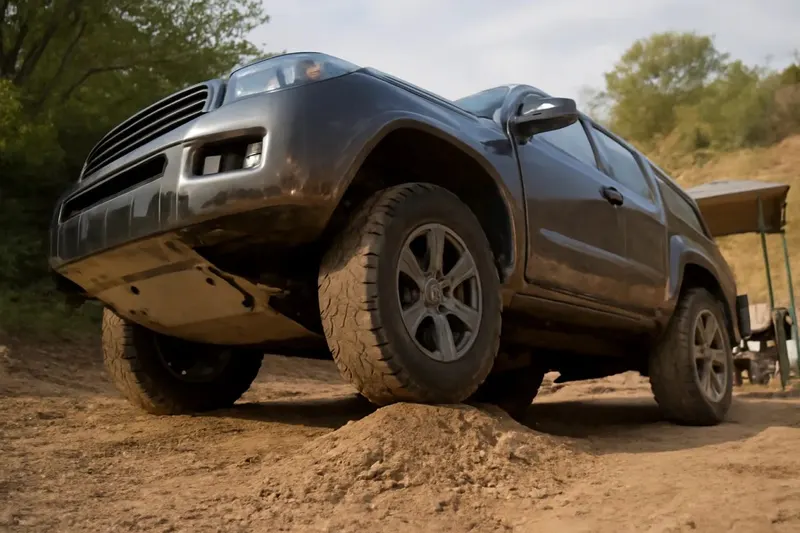
The front of a vehicle is usually the first area to meet rocks, brush, and uneven ground, which is why engine-area protection is often the starting point. A front skid plate or engine skid helps cover the oil pan, lower engine accessories, and parts of the radiator support that hang low enough to be exposed. Some setups also extend toward the front crossmember or bumper mounting area to help bridge over obstacles instead of snagging on them. For beginners, this is one of the clearest ways to improve trail readiness without changing the rest of the vehicle.
Front-end coverage is only useful if it fits the driving conditions and allows the vehicle to keep cooling and steering properly. Good design leaves room for airflow, suspension movement, and access for maintenance, while still protecting the most exposed surfaces. On some rigs, front protection may overlap with bumper hardware or factory air dams, so understanding the shape of the undercarriage matters. The main idea is simple: protect low-hanging components before they become the reason a trip slows down or ends early. It can also help to think about how the vehicle enters obstacles, because a plate that leads smoothly into the center section often protects better than one that ends abruptly. When checking options, look for coverage that matches the vehicle’s lowest forward point rather than assuming a universal shape will do the job.
Transmission, Transfer Case, and Drivetrain Coverage
After the front section, the next most common protection target is the center of the vehicle. Transmission skid plates and transfer case skids help guard the housings that sit low in the frame and can strike ledges, rocks, or packed dirt ridges. These parts are important because even a moderate impact can create leakage, vibration, or drivability issues if the underside is left exposed. For vehicles that spend time on uneven terrain, center coverage often provides one of the best balances of protection and practicality.
Drivetrain protection may also extend to driveshaft loops, crossmember guards, or reinforcements around exposed mounting points. Some products are designed to work as part of a system, tying front, center, and rear coverage together into a smoother underbody surface. That can help the vehicle slide over obstacles rather than catching on hardware edges. When evaluating these pieces, it helps to look at how they attach, how much ground clearance they preserve, and whether they make routine service harder than necessary. It is also smart to consider heat and access, since a well-fitted skid should protect without trapping debris or making inspections impractical. If you plan to wheel often, center protection is one of the most useful ways to limit costly undercarriage contact.
Fuel Tank and Rear Underbody Protection
Fuel tank protection is a major part of any complete underbody protection guide because the tank often sits in a vulnerable position with limited natural shielding. A dedicated tank skid or rear underbody plate can help protect the tank shell and nearby lines from punctures, crushing, and heavy contact with trail obstacles. This matters on uneven routes where the rear of the vehicle may drag after the front has already cleared an obstacle. Even a short strike in the wrong place can create a serious trip interruption if the tank area is not protected.
Rear protection may also include guards for the differential housing, exhaust sections, and lower mounting points near the back of the chassis. On some vehicles, the rear is where departure angle and hanging hardware become a concern, so the shape of the skid matters as much as the material. A good rear setup should help the vehicle slide out of an obstacle without creating new snag points. If your trails include deep ruts, steep departures, or loose rock, rear coverage can be just as important as the front. This area is easy to overlook because the vehicle often feels stable until the rear drops into a hole or pivots over a ledge. For that reason, rear protection is best chosen with the full undercarriage in mind, not just the visible parts near the bumper.
Browse our recommended gear
Our featured picks refresh periodically. While we update them, our editorial guides can help you find the right gear for your rig.
See our guidesDifferential, Steering, and Suspension Guards
Not all underbody protection is built as a large plate. Smaller guards can protect differential covers, tie rods, steering racks, control arm mounts, and other exposed pieces that are easy to overlook until they scrape. These parts are often lower than people expect, especially after suspension travel compresses on uneven ground. For vehicles that see rocky terrain or ledge-heavy trails, these smaller pieces can add meaningful protection without covering the whole underside.
Suspension and steering protection is especially useful because those systems affect how the vehicle moves and how controllable it remains after a hit. A bent tie rod or damaged steering component can turn a manageable trail into a slow, careful exit. Guards in this category are usually aimed at deflection and impact resistance rather than full enclosure. They work best as part of a broader protection plan that includes the larger skids underneath the engine and drivetrain. It also helps to remember that suspension parts change position as the wheels cycle, so clearance needs to be checked at ride height and through travel. Small guards may seem secondary, but they often protect the exact parts that keep the vehicle pointed where you want it to go.
Materials, Fitment, and Coverage Limits
Material choice affects both protection and weight, so it helps to think about what kind of impacts the vehicle is likely to see. Steel is often chosen for maximum toughness and impact resistance, while aluminum can reduce weight and still offer solid coverage in many situations. Composite or hybrid designs may be used in some applications where noise, corrosion resistance, or weight balance matters. No material is perfect, and the best option usually depends on how hard the vehicle is worked and how much added mass the owner is willing to carry.
Fitment matters just as much as material because a well-shaped skid can protect more effectively than a heavier one that hangs too low or creates gaps. Coverage limits also matter: a skid plate may protect one area while leaving adjacent lines, bolts, or brackets exposed. That is why it is smart to inspect the underside as a system instead of shopping for one part at a time. A practical setup covers the most likely strike zones while preserving service access, cooling, and ground clearance. It should also match how the vehicle is loaded, since added gear, passengers, or towing can change the way the undercarriage sits on rough ground. Before choosing a piece, check whether it follows the frame cleanly and whether it supports the type of use you actually expect.
Choosing the Right Setup for Your Trails
The best underbody protection setup depends on where the vehicle actually goes. Gravel roads and mild forest routes may call for basic front and center coverage, while rock crawling, desert washouts, or high-clearance ledges may justify a more complete package. Start by identifying the lowest and most exposed parts under the vehicle, then compare that list to the terrain you expect to encounter. That approach keeps the purchase practical and avoids overbuilding a rig that never sees those conditions.
It also helps to think about maintenance and compatibility before choosing a system. Protection that blocks drain plugs, inspection points, or common service areas can become annoying over time, even if it offers good coverage. The right setup should feel like an upgrade in confidence, not a burden during routine checks. For most trail users, the best result is a balanced system that protects the parts most likely to be damaged while keeping the vehicle easy to live with. If your driving changes over time, the protection plan can change with it, starting with the highest-risk areas and expanding only when the terrain justifies it. That keeps the build focused, useful, and easier to maintain between trips.