What Rock Slider Concepts Mean
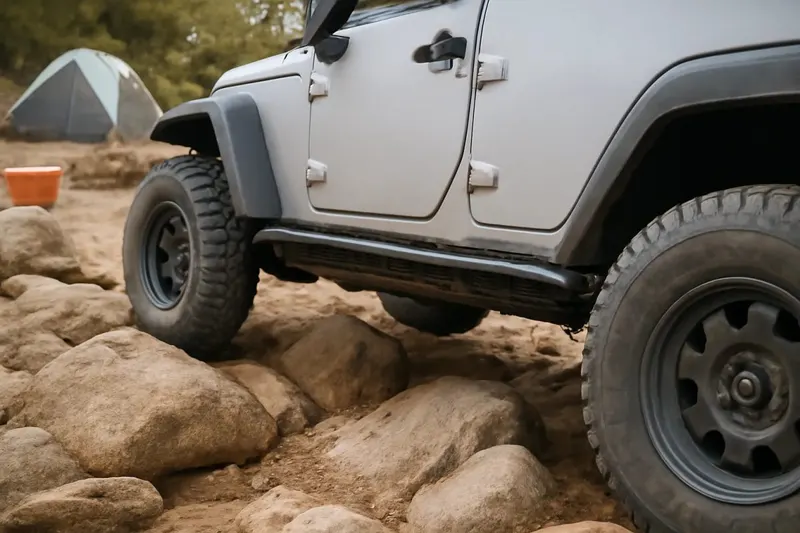
Rock slider concepts describe the basic ways a side-mounted armor system protects a vehicle when the trail gets narrow, steep, or uneven. The goal is not decoration; it is to create a strong contact point that can take a hit before your rocker panels, cab corners, or body seams do. For many rigs, that means thinking about both strength and shape, because a slider has to fit the vehicle while still giving the driver useful clearance.
People often use the term to cover the whole design idea, from mounting style to tubing profile and step function. Some concepts are built mainly for impact protection, while others try to balance protection with daily convenience. A good starting point is understanding that sliders are part of a larger vehicle-prep plan, especially if you spend time on ledges, rutted climbs, or tight forest routes where the sides of the truck or SUV are more exposed than the front bumper.
In practical terms, rock slider concepts help you compare products before you get lost in brand language. If you know whether you want a tucked-in body guard, a wider step, or a weld-on style made for frequent contact, the choice becomes much easier. That also keeps expectations realistic, because a slider is not a magic shield for every type of damage. It is one piece of trail-ready armor that works best when chosen with the vehicle’s use case in mind.
Main Design Elements That Shape Performance
The first major design choice is how the slider mounts to the vehicle. Some concepts attach to the frame through brackets, while others rely on body-specific mounting points designed to spread load across stronger areas. The more securely the force is transferred into the vehicle structure, the better the slider can serve as a protective edge instead of a weak hanging accessory. That is why mount design matters as much as the outer tube or plate you can see.
Material and profile are the next factors that influence performance. Many rock slider concepts use steel because it offers a strong balance of durability and repairability, while the outer shape may be round tubing, square tubing, or a flat plate with a formed edge. A tighter profile usually helps on the trail because it reduces how far the part sticks out, yet a broader surface can make it easier to use as a step. The right answer depends on whether protection or convenience is the stronger priority.
Angle and clearance also deserve attention, especially if your vehicle sees off-camber sections or rocks that can catch a low edge. A well-shaped slider should not create a new snag point beneath the door line. It should sit high enough to protect vulnerable panels while still leaving space for suspension movement and tire travel. Thoughtful design can make the difference between a part that merely exists and one that truly supports trail readiness.
Sliders vs. Steps: Where the Tradeoff Happens
One of the most common misunderstandings in rock slider concepts is assuming every slider should function like a running board. In reality, the best protective designs usually accept that a smaller footprint and tighter tuck provide more trail value than a wide stepping surface. That does not mean steps are useless; it means they solve a different problem and may give up some clearance in exchange for easier entry and exit. On a modified vehicle, that tradeoff should be made deliberately.
For drivers who spend most of their time on pavement with occasional dirt-road trips, a step-friendly concept may be the better fit. For rigs that regularly touch rocks, logs, or ledges, a narrow and strong slider can be the smarter choice because it reduces the chance of levering into the body. The more exposed the side of the vehicle is, the more you want a design that can absorb real trail contact instead of only supporting a boot. This is where honest use-case planning matters.
It is also worth noting that some products try to blend both roles, offering a usable step without becoming overly bulky. Those hybrid concepts can work well when the vehicle still needs family-friendly access, but they should be judged carefully. If the step hangs too low or extends too far, it may invite the very impacts you were trying to avoid. A clean compromise is possible, but it should preserve the core purpose of side protection first and convenience second.
Browse our recommended gear
Our featured picks refresh periodically. While we update them, our editorial guides can help you find the right gear for your rig.
See our guidesStrength and Impact Management on the Trail
Strength in rock slider concepts is not just about using thick steel. It is about how the entire structure manages impact when the vehicle drops onto a rock or drags across a ledge. A good design disperses force across multiple mounting points so the load does not concentrate in one weak spot. That helps the slider protect the body instead of folding into it.
Impact management also depends on how the slider is meant to be used. Some designs are intended to take sliding contact and occasional hard hits, while others are better viewed as light protection for brushing against obstacles. If you expect frequent contact, you should look for a concept that avoids unnecessary gaps between the slider and the body. Tight integration can help prevent the part from bending inward when weight is transferred onto it.
At the same time, more strength is not always better if it adds excessive weight or creates awkward mounting stress. The smartest rock slider concepts aim for a durable structure that fits the vehicle’s size and trail style without overbuilding to the point of inefficiency. When the balance is right, the slider becomes a functional part of the chassis behavior rather than dead weight. That is especially valuable for drivers who want protection without sacrificing everyday drivability.
Fitment and How Vehicle Use Changes the Choice
Fitment is one of the most important parts of evaluating rock slider concepts, because a good design on paper can still fail if it does not suit the vehicle’s body shape and intended use. Door length, rocker panel height, frame layout, and suspension travel all affect how a slider should sit. That means the same general concept can feel very different on a compact SUV than on a long-wheelbase truck. The geometry has to work with the vehicle, not against it.
Daily use matters too. A commuter that sees only occasional trail exploration may benefit from a slimmer concept that protects the lower body without making parking lots or garage access awkward. A weekend crawler, by contrast, may justify a more aggressive profile that prioritizes strength and clearance over convenience. If passengers need to enter and exit the vehicle often, the practical shape of the slider becomes more than a style decision. It affects the way the vehicle is used every day.
When comparing options, it helps to think beyond the catalog photo and imagine real terrain. Will the slider need to survive repeated ledge drops, or mostly keep tree roots and rocks from gouging the rocker area? Will it interfere with jacks, mud clearance, or door opening? Clear answers to those questions make the concept easier to narrow down, and they reduce the chance of choosing a part that looks right but behaves poorly once the trail becomes technical.
Choosing a Concept That Fits Your Build
The best way to choose among rock slider concepts is to start with your vehicle’s actual role. If the rig is mostly a trail toy, a stronger and slimmer concept may make more sense than a wide step. If it is a mixed-use vehicle, you may want a design that still allows comfortable access while keeping the lower body protected. Starting with the job description keeps the decision grounded and helps prevent feature creep.
Next, think about how much modification you are willing to live with. Some sliders are meant to be a more permanent armor solution, while others are easier to remove or adapt as the build changes. If you anticipate future tire, suspension, or armor changes, a concept with a clean mounting strategy may be easier to live with long term. That matters because off-road builds often evolve in stages rather than all at once.
It also helps to assess how you drive on the trail. Drivers who are careful and technical may value precise clearance and tuck, while those who see more rough, unpredictable terrain may prioritize robust side protection. Neither approach is wrong, but the concept should match the reality of your route choices and vehicle setup. When in doubt, choose the option that protects the most vulnerable areas first, then decide how much convenience you can add without undermining that goal.